
Every season, European distributors, rental operators and surf schools face the same decision: buy inflatable SUP boards from a local wholesaler at European prices, or import SUP from China to the EU and keep the margin. Importing is where the profit is — but only if you understand the duty, the VAT and the freight before you sign the proforma invoice.
This guide is written for European buyers who are importing their first container (or their first pallet) of inflatable paddle boards, kayaks and water bikes from China. It covers HS classification, duty rates, import VAT, the compliance paperwork EU customs will ask for, freight mode selection, and how to calculate your true landed cost. No fluff, no guesswork where numbers matter — where a figure depends on your product or destination, we say so and tell you where to verify it.
Why European Buyers Import Inflatable SUPs from China
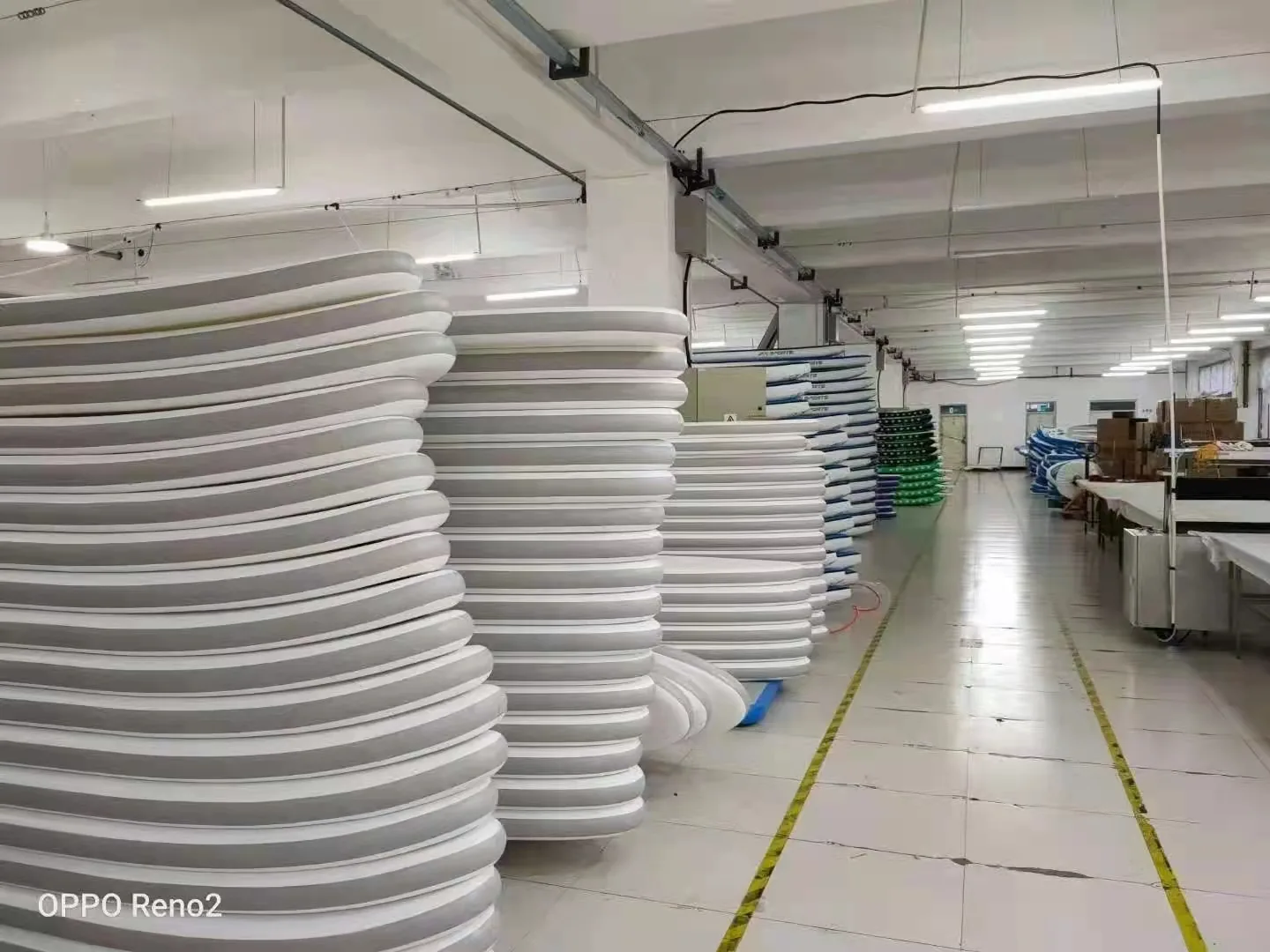
China produces the overwhelming majority of the world’s drop-stitch inflatable boards. The supply chain — PVC/TPU coated fabric, drop-stitch core, rail tape, valves, printing, accessory kits — is clustered in a few coastal provinces, which is why a factory can quote a board that a European brand sells for three to five times the FOB price.
The economics are straightforward. A container of boards spreads freight across hundreds of units, so the per-unit logistics cost drops to a few euros. Even after duty and VAT, importers routinely land boards at a fraction of local wholesale cost. The catch: you take on customs, compliance and cash-flow timing. The rest of this guide is about managing those three things.
If you are still weighing up which products to bring in, our water sports product range shows the categories European buyers move most — racing boards, all-round boards, inflatable kayaks and water bikes.
Step 1: Get the HS Classification Right Before You Ship
The single most expensive mistake a first-time importer makes is letting a supplier pick the HS code for them. The classification determines your duty rate, and errors surface at customs — after your goods are already on the water.
The two codes that usually apply
Inflatable paddle boards sit on a boundary that catches a lot of people out:
- HS 8903.99 — other vessels for pleasure or sports (the “it’s a boat” reading)
- HS 9506.29 — other water-sport equipment (the “it’s sports gear” reading)
Both are used in practice across EU member states, and the duty rates differ. That is exactly why you should not accept a guess.
How to pin it down
Ask your supplier for the HS code they declare, then check it yourself against the EU’s TARIC database for your destination country, or have your customs broker issue a written classification opinion before production. Where the classification is genuinely ambiguous, a Binding Tariff Information (BTI) decision gives you legal certainty for three years across the whole EU — worth it if you plan repeat container loads.
A good OEM factory will have shipped to your market before and can tell you the code used on previous consignments. If they cannot, treat that as a signal.
What duty to budget
For the codes above, EU duty on this category of goods is generally in the low single-digit percentage range rather than the punitive rates seen on some consumer goods. Rather than memorising a number, budget a contingency on the CIF value and confirm the exact rate in TARIC for your code and country. Your broker can give you the figure in minutes, and it removes the risk of a surprise at clearance.
Step 2: Import VAT — Where Most Cash-Flow Pain Comes From
Duty is usually the smaller number. Import VAT is the one that surprises first-time importers, because you pay it upfront at customs and recover it later through your VAT return.
How import VAT is calculated
Import VAT is charged on the customs value — broadly the goods value plus freight and insurance to the EU border (the CIF value) plus the duty. So duty and VAT compound: a higher duty bill also raises the VAT base.
Standard VAT rates differ by member state: Germany 19%, France 20%, the Netherlands 21%, Spain 21%, Italy 22%, Czechia 21%, Austria 20%, Poland 23%. These are the standard rates; always confirm the rate in force for your country at the time of import, and check whether your product qualifies for a reduced rate.
Recovering the VAT
If you are a VAT-registered business importing for resale, the import VAT you pay is normally deductible in your periodic VAT return — so the real cost is the cash tied up for weeks, not the tax itself. Budget for that timing gap. Importers who only model duty and freight often discover too late that they have funded a five-figure VAT payment for a month or more.
What about IOSS?
IOSS (Import One-Stop Shop) simplifies VAT on low-value consumer parcels under €150. It is designed for e-commerce parcels shipped directly to private buyers. It generally does not help with commercial B2B container or pallet loads, where normal import VAT and customs entry apply. If your model is direct-to-consumer parcel shipping, talk to your broker about IOSS; if you are importing stock into your own warehouse, plan for standard import VAT.
Step 3: Compliance Documents EU Customs Will Expect
Duty and VAT get the attention, but paperwork is what actually stops a container at the port. Have these ready before your goods ship:
- Commercial invoice — with HS code, Incoterm, unit and total values, country of origin
- Packing list — carton count, dimensions, net and gross weights
- Bill of lading (sea) or air waybill (air)
- EORI number — mandatory for any business lodging a customs declaration in the EU
- CE / conformity documentation where your product falls under applicable EU legislation
- REACH statement covering substances of very high concern in the PVC/TPU materials
- Certificate of origin if you intend to claim any preferential treatment
Product standards for inflatable water-sports gear
Inflatable leisure articles used on and in water are covered by a dedicated European standard family (the EN 15649 series for floating leisure articles). Whether a specific board requires formal conformity assessment depends on how it is classified and placed on the market, and member-state practice varies. The practical approach: ask your factory for the test reports they hold, confirm which standard each report cites, and have your broker or a notified body confirm what your market requires for your specific product and claim set.
Separately, REACH compliance for the coated fabric, adhesives and printing inks matters. A factory that exports to the EU regularly should be able to supply a REACH statement without hesitation.
The one importers forget: packaging and EPR
Selling in several EU countries brings Extended Producer Responsibility obligations for packaging and, in some markets, for the product itself. In Germany, packaging must be registered (the LUCID packaging register) and licensed with a dual system; France and others have their own schemes with their own marking requirements. This is not a customs matter — it is a market-access matter, and penalties for missing it are real. Sort it out before your first sale, not after.
Our team walks buyers through this paperwork as part of the OEM & ODM process, because a container that clears customs but cannot legally be sold is a container nobody wants.
Step 4: Choosing Freight — FCL, LCL, Rail or Air
Your freight choice is a trade-off between unit cost, speed and cash tied up in transit.
FCL (full container load)
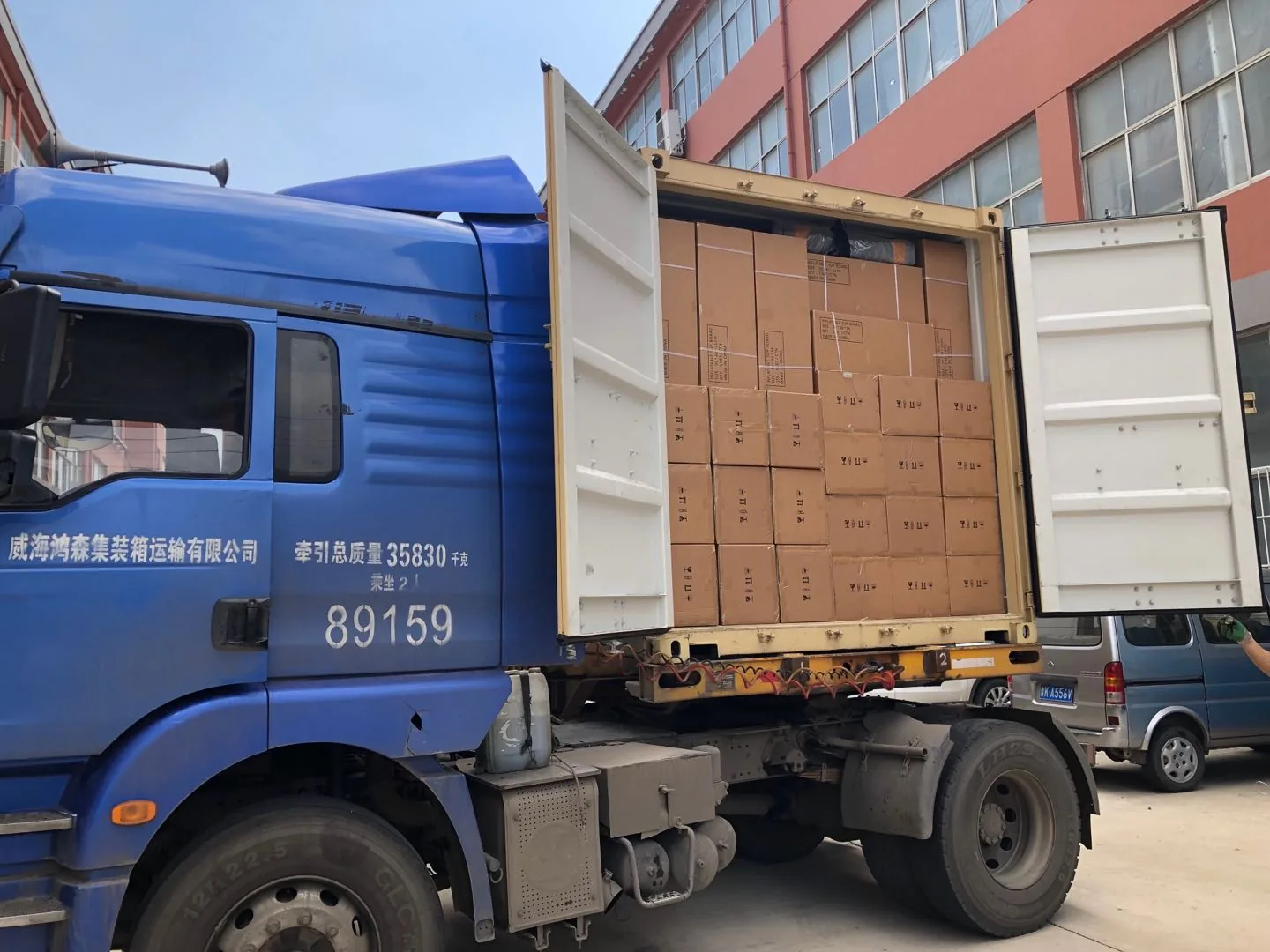
A 40HQ container offers roughly 68 m³ of capacity. Because inflatable boards pack flat in cartons, they fill a container by volume long before they hit weight limits — which is why this product category ships so efficiently. FCL gives you the lowest cost per unit and the fewest handling touchpoints (less damage risk).
LCL (less than container load)
Your cartons share a container with other shippers’ goods. Higher cost per cubic metre and more handling, but you can move a small batch without paying for space you do not fill. This is how most first orders ship while you validate the market.
Rail and air
China–Europe rail sits between the two on both cost and transit — a useful middle option when you need goods faster than sea but cannot justify air freight. Air is fastest and by far the most expensive per unit; it suits samples, urgent top-ups of fast-selling SKUs, or high-value accessories.
Typical transit times
From the main East China ports to Northern European hubs such as Hamburg and Rotterdam, plan on roughly 30–40 days by sea under normal conditions; rail is typically around half that; air is measured in days. Treat all of these as planning figures — port congestion, weather and seasonal peaks move them — and confirm a current transit estimate with your forwarder when you book.
Incoterms: FOB, CIF and DDP
Who pays for what, and who carries the risk, is set by the Incoterm on your invoice:
- FOB — you control the main freight; you handle destination charges, customs and onward delivery
- CIF — the supplier pays freight and insurance to your destination port, but you still clear customs
- DDP — the supplier handles everything to your door, including duty and taxes, rolled into the price
DDP is convenient for a first import, but understand that the duty and VAT are still being paid — just by someone else, and priced in. Experienced importers often move to FOB once they have a reliable forwarder, because it makes the cost structure transparent and gives them control of the routing.
For a detailed phase-by-phase view of how long production and shipping actually take, see our breakdown of OEM SUP lead time from sample to container.
Step 5: Calculate Your Landed Cost Properly
Landed cost is what a board actually costs you by the time it is on your warehouse rack. Model it in this order:
- EXW or FOB unit price × quantity
- Inland and export charges at origin
- Ocean freight (+ insurance if you buy CIF or insure separately)
- Customs value = goods + freight + insurance to the EU border
- Import duty = customs value × your verified TARIC rate
- Import VAT = (customs value + duty) × your country’s VAT rate
- Destination charges — terminal handling, customs clearance fee, inland haulage
- Compliance costs — testing, EPR registration and licensing, packaging compliance
Divide the total by unit count and you have a number you can actually price against. Most import disappointments come from modelling steps 1–3 and discovering 5–8 later.
A worked illustration: on a container where freight and duty together add a modest percentage to the FOB value, the import VAT — charged on goods plus freight plus duty — is typically the single largest line in the non-product cost stack. Recover it, but make sure your cash flow can fund it for the weeks it takes.
Mistakes That Cost European Importers Money
- Accepting the supplier’s HS code without checking it. Your duty bill is only as accurate as your classification.
- Forgetting that freight is inside the VAT base. Cheaper freight lowers both duty and VAT.
- Booking DDP without knowing what duty was assumed. If the rate used turns out wrong, the shortfall can come back to you.
- Skipping EPR registration. Customs clearance is not the same as being legal to sell.
- Not insuring the container. Marine insurance is a small fraction of cargo value; a lost or damaged container is not.
- Ordering a full container before validating demand. A small first order costs more per unit and saves a lot of trapped cash.
That last point is why flexible minimum order quantities matter. If you would rather test the market with a small batch than commit to a full container on your first buy, our small-batch custom SUP programme starts from a single piece — you can import a trial quantity, clear it, sell it, and only then scale to FCL.
FAQ
What is the import duty on inflatable SUP boards in the EU?
It depends on the HS code your product is classified under, and inflatable boards commonly fall under either 8903.99 or 9506.29 — which carry different rates. Rates for this category are generally low single digits, but you should confirm the exact figure in the EU TARIC database for your code and destination country, or ask your customs broker for a written classification before you ship.
Do inflatable paddle boards need CE marking in the EU?
Inflatable leisure articles used on water are covered by a specific European standard family (the EN 15649 series), and whether formal conformity assessment and CE marking are required depends on how the product is classified and placed on the market. Practice varies between member states. Ask your supplier for the test reports they hold, check which standards are cited, and confirm the requirement with a notified body or your broker for your specific product.
How is import VAT calculated and can I get it back?
Import VAT is charged on the customs value (goods + freight + insurance to the EU border) plus any duty, at your country’s standard VAT rate. If you are VAT-registered and importing for resale, you can normally deduct it in your VAT return — so the real cost is the cash tied up until the return, not the tax itself.
How long does shipping from China to Europe take?
Sea freight from East China to Northern European ports typically runs about 30–40 days, rail around half that, and air freight a few days plus handling. All of these shift with port congestion, seasonal peaks and routing, so confirm a current estimate with your forwarder when you book.
Can I import a small batch, or do I need a full container?
You can ship a small batch as LCL (less than container load), paying by volume rather than for a whole container — usually the sensible choice for a first order. Some manufacturers also allow very low minimum order quantities, which lets you trial a market before committing to a full containerload.
Who pays import duty under DDP terms?
Under DDP (Delivered Duty Paid) the seller arranges and pays freight, customs clearance, duty and taxes, delivering to your door. The duty is still being charged — it is just bundled into the price you pay the supplier. DDP is convenient for first-time importers, but you lose visibility of the duty and VAT assumptions behind the quote.
Ready to Plan Your First Shipment?
Importing inflatable SUP boards, kayaks and water bikes into the EU is very manageable once you know the four numbers that matter: your HS code, your duty rate, your VAT exposure and your freight cost per unit. Get those right and the economics of importing from China are hard to beat.
We ship to European ports regularly and can quote FOB, CIF or DDP, supply the compliance documentation your broker will ask for, and start from quantities small enough to test a market. Request a quote and landed-cost estimate and we will model the numbers for your destination before you commit.
Related reading: our inflatable kayak export guide covers wholesale specs and OEM options, and the water bike export guide walks through specs, customization and shipping for that category.