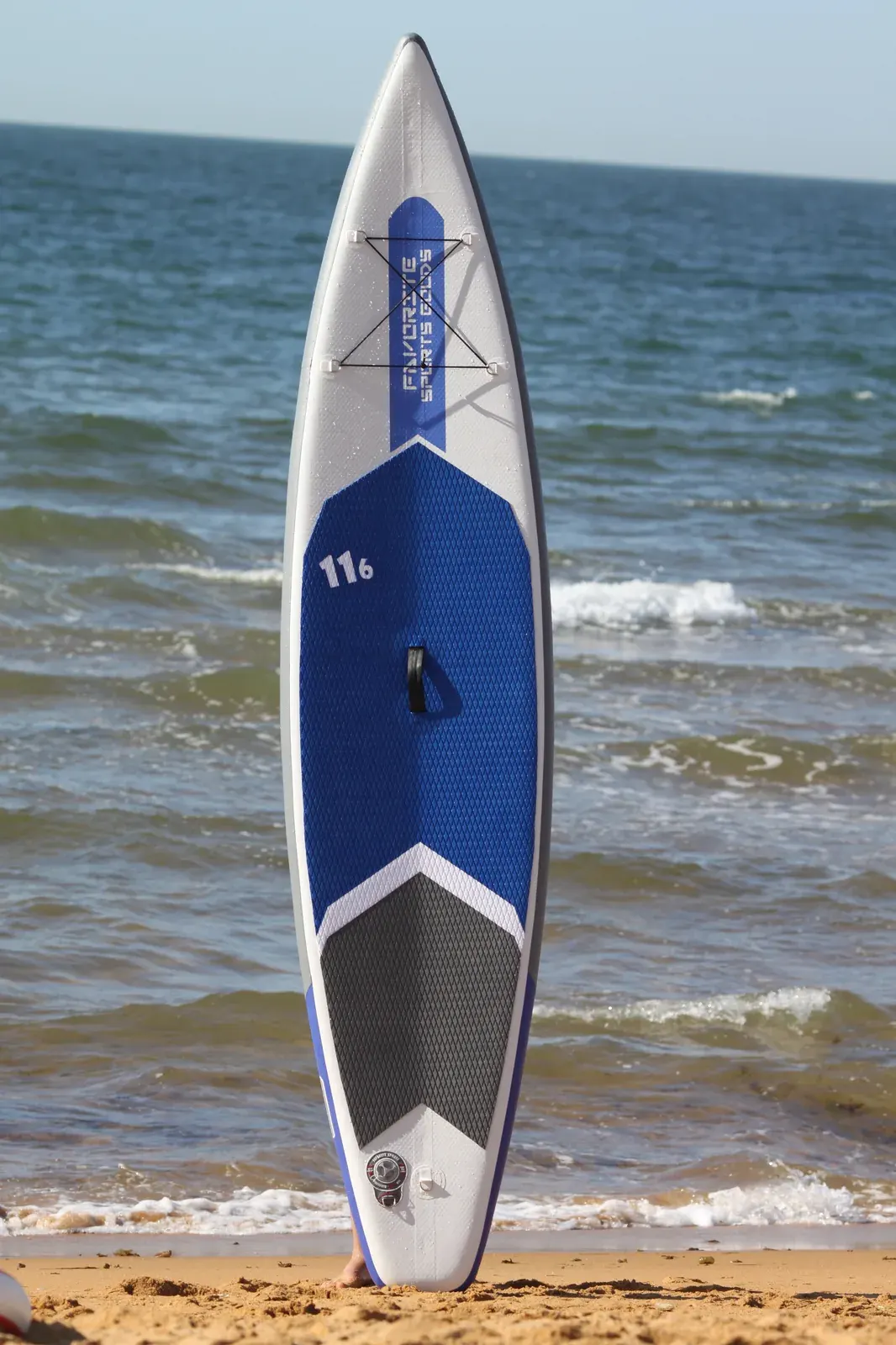
When buyers compare quotes from more than one paddle board supplier in China, the unit price gets all the attention — and the shipping terms quietly decide whether the deal is actually profitable. The way you combine SUP shipping container FOB DDP terms changes who books the vessel, who clears customs, and who pays when a container sits at port for an extra week. This guide explains how inflatable paddle boards are packed for export, how many units realistically fit into a 20ft or 40ft container, and when FOB or DDP is the smarter choice for your next wholesale inflatable paddle board order.
Why Packaging Decides Your Real Landed Cost
An inflatable SUP looks like the easiest cargo in the world: it deflates, it rolls, and it weighs a fraction of a hard board. What actually fills your container is cardboard, poly bags and accessory boxes — and every centimeter of that packaging is a decision that affects your landed cost. A carton that is two centimeters thicker than it needs to be can cost you dozens of units of capacity across a full container. Weak cartons that collapse under stacking pressure create returns before the product is ever inflated. And a poorly planned packing list — pumps boxed separately from boards, for example — can leave dead space in the container that you still pay ocean freight for.
How an Inflatable SUP Is Packed for Export
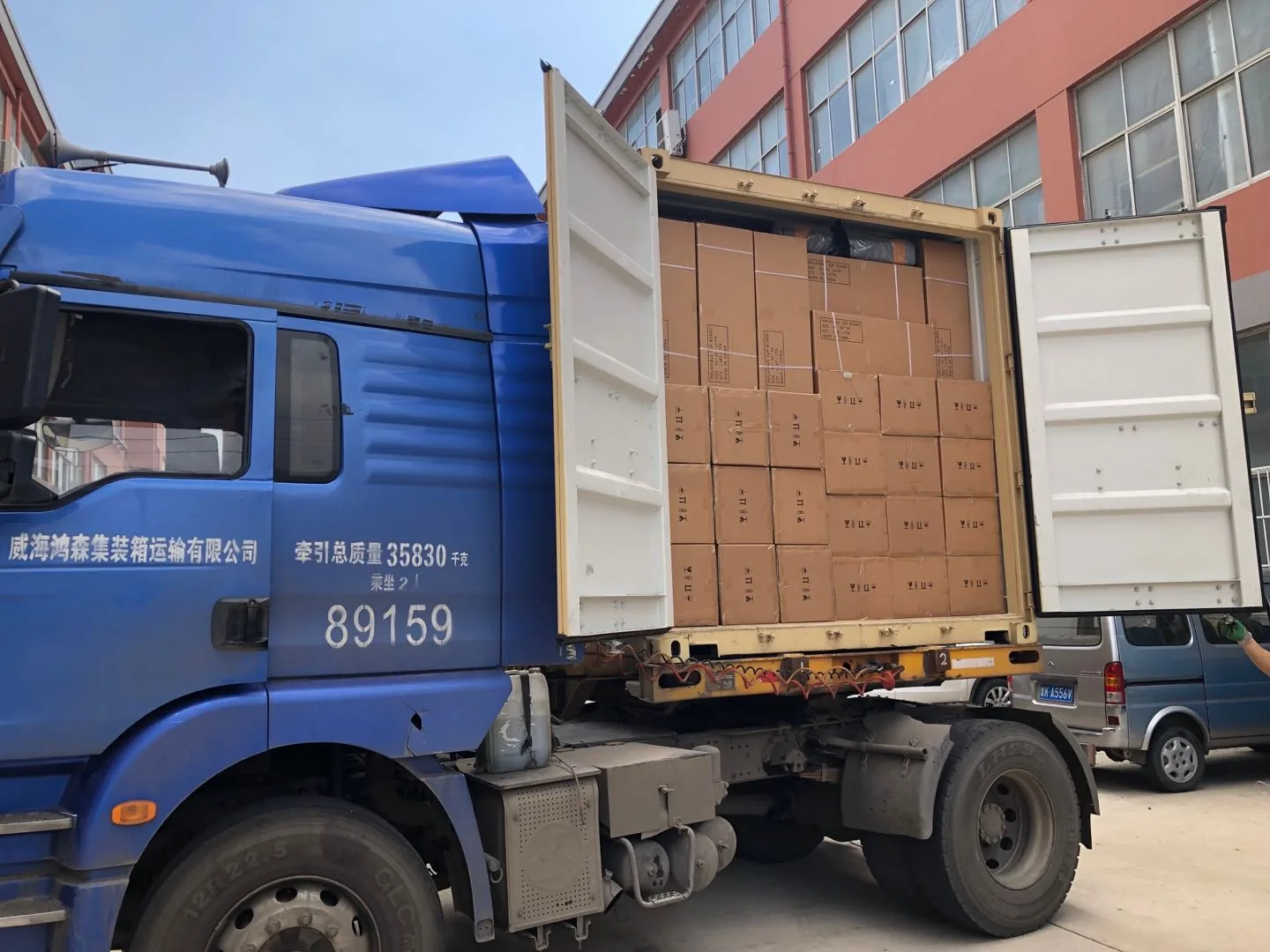
The standard export packing flow is simple and repeatable. The board is deflated and rolled tightly — rolling, not folding, is what protects the printed PVC layer and the drop stitch core from permanent creases. The rolled board goes into a poly bag, and the bag goes into the retail box together with the complete kit: paddle, pump, fin, leash, repair kit, backpack, manual and warranty card. Retail boxes are then stacked into master cartons or loaded directly, depending on the agreement with the buyer.
Retail Box vs Master Carton
For most private label paddle board orders, packaging has two layers. The retail box carries your brand, your artwork and your product information — it is what your customers see on a shop shelf or in an unboxing video. The master carton around it survives the container, the truck and the warehouse. If you sell through retail stores, keep the printed retail box; shelf presentation is part of the product. If you sell almost exclusively online, some buyers reduce packaging volume by shipping boards in a plain export carton and printing the retail box closer to the market — worth discussing with your factory before the packing list is finalized.
Protecting the Board and Every Accessory
A complete SUP kit contains more fragile-adjacent items than new importers expect: a multi-piece paddle, a pump with a handle that can crack under impact, a fin with a rigid base, valves and repair patches. Each component should be bagged and positioned so nothing sharp rubs against the board surface during weeks of transport. Cartons should pass a drop test and a stacking test before mass production, not after a claim arrives. This is also where your brand assets live — warranty cards, quick-start guides and QR codes linking to your support pages all ship inside the box, so approve them at the same time as the board artwork.
Container Loading: How Many Boards Fit in a 20ft or 40ft Container
This is the question every buyer asks first, and the honest answer is: it depends on the box. Still, there are reliable planning ranges that hold across most all-around and touring models.
Volume Math by Box Size
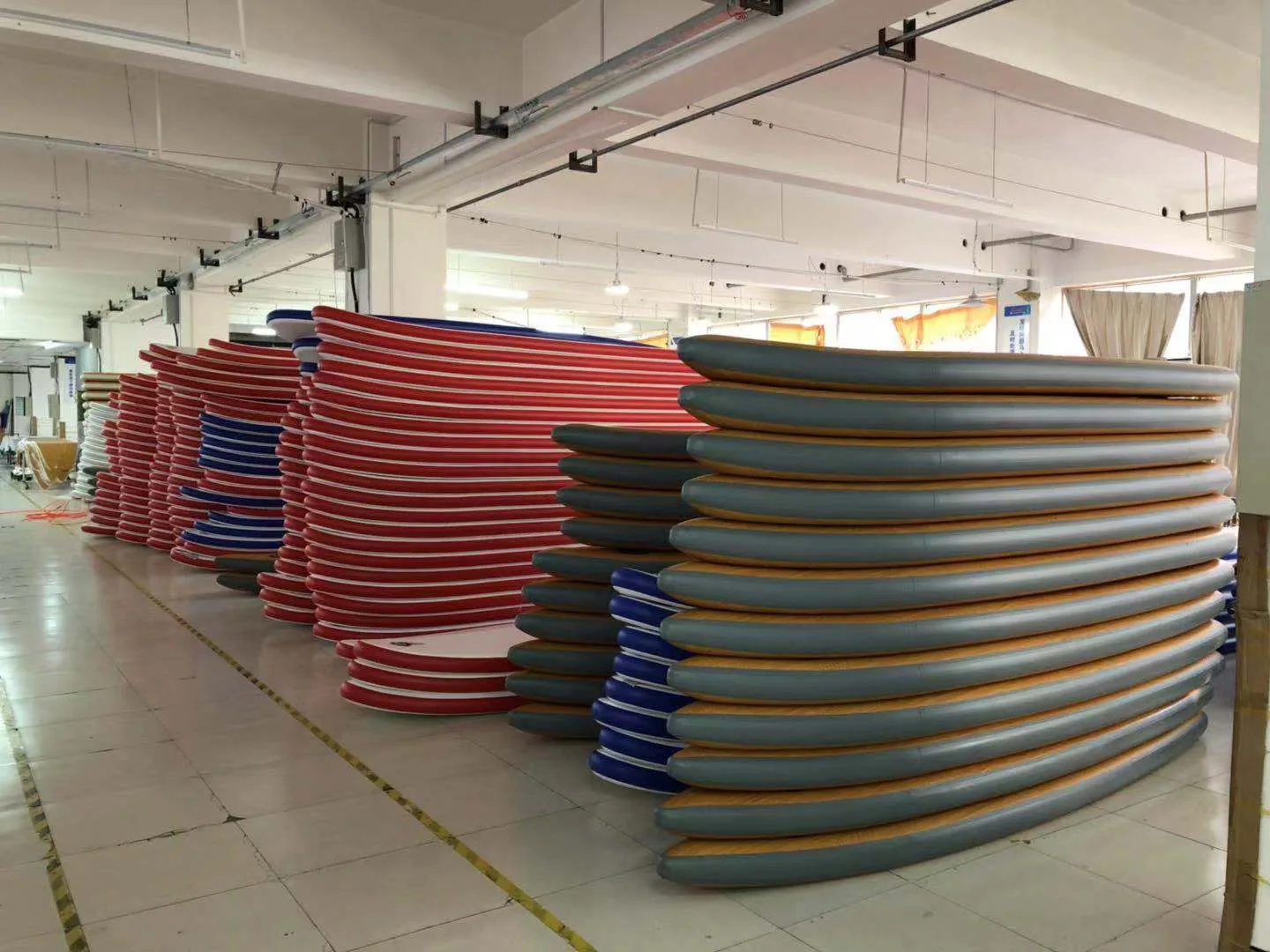
A retail-boxed 10’6 all-around inflatable SUP with a full kit typically occupies around 0.09–0.12 CBM. A 20ft container offers roughly 28–33 CBM of practical loading space, a 40ft container about 60–67 CBM, and a 40ft high cube about 68–76 CBM. In real loading plans, a 40ft high cube usually takes 300–450 retail-boxed SUP kits including accessories, while a 20ft container handles roughly 120–180 units, depending on box dimensions and the stacking pattern. Palletized loading is faster to unload and better protected, but it costs you roughly 15–20% of capacity compared with floor-loaded cartons. Ask your supplier for a loading plan based on your actual box dimensions rather than a generic figure — a serious factory will send you a stacking diagram before the truck arrives. If you are still planning the production side of the order, our OEM SUP lead time guide shows how packing and booking fit into the overall timeline from sample to container.
Mixed Loads: SUPs, Kayaks, Water Bikes and Docks
If your business also covers kayaks, hydrobike water bikes or inflatable docks, plan the container in zones. Heavy, rigid items such as water bike frames or electric pumps go on the floor level; boxed SUP kits fill the middle; bulky but light items like inflatable docks go on top. Mixing categories in one container is a completely normal request for an OEM/ODM SUP factory — what matters is that the packing list and the loading plan are agreed before production ends, not on loading day. For hydrobike-specific packing details, see our water bike export guide; kayak packing is covered in our inflatable kayak export guide.
FOB vs DDP: What Each Term Actually Covers
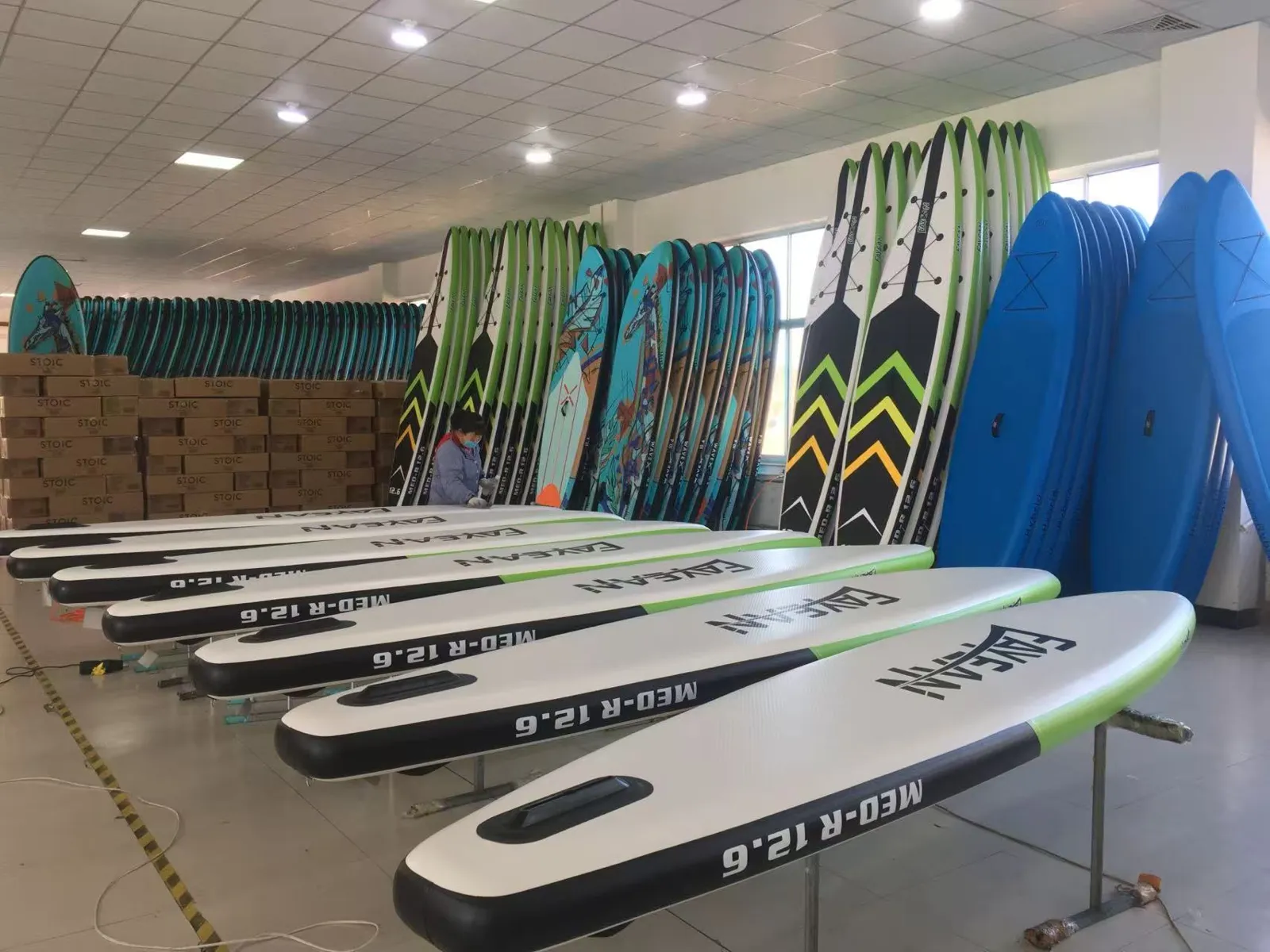
FOB (Free On Board) and DDP (Delivered Duty Paid) sit at opposite ends of the responsibility scale, and choosing between them is less about the sticker price and more about how much control you want over the shipment.
FOB Explained for SUP Buyers
Under FOB — for example FOB Qingdao — the seller delivers the goods on board the vessel at the named port and clears them for export. From that moment, freight cost and risk transfer to you: you or your forwarder book the vessel, pay ocean freight and insurance, and handle destination charges, import duty and VAT. FOB is the natural choice once you import regularly. You control the carrier, you can consolidate cargo from several suppliers into one container, and a long-term freight contract usually beats the rate a factory can obtain for a single shipment.
DDP Explained — and When It Makes Sense
Under DDP, the seller delivers the goods to your address with import clearance, duties and taxes paid. For a first shipment into an unfamiliar market, DDP removes almost every logistics decision: no customs broker to find, no surprise destination charges, no paperwork to learn. The trade-offs are real, though. The all-in DDP price carries a margin for the risk the seller takes, the seller chooses the route and the carrier, and your timeline depends on the seller’s forwarder. Many European buyers use DDP for their trial container, then move to FOB once they know their true landed cost and the volumes justify their own customs setup.
EXW and CIF in Brief
Two other terms appear often enough to define quickly. EXW (Ex Works) means you collect the goods at the factory gate and arrange everything beyond it — rarely worthwhile for overseas buyers. CIF (Cost, Insurance and Freight) means the seller pays freight and insurance to your destination port, but risk still transfers at the origin port and import clearance remains your job. For a full breakdown of duties and VAT once the goods reach Europe, read our guide to importing SUP from China to the EU.
Five Factors That Move Your Freight Bill
Even with the Incoterm fixed, several variables swing the final cost of a shipment:
- Seasonality. Ocean rates rise ahead of the peak season and around Chinese New Year, when space gets tight; booking three to four weeks early is usually enough to stay calm.
- Box dimensions. Two extra centimeters of carton width multiplied by several hundred boxes equals lost cubic meters — optimize the packaging before you optimize the freight.
- Accessory packing. If pumps and paddles ship in their own cartons, they can fill gaps in the stacking pattern instead of forcing every board box into the same footprint.
- Destination and inland leg. The final cost to your warehouse depends on the port and the inland haulage; DDP quotes in particular vary significantly by destination country and postcode.
- Construction choice. A double layer board and its kit weigh more than a single layer build, which matters for palletized loads — our drop stitch material guide explains how construction affects weight and durability.
Documents to Prepare Before the Container Sails
The document set for an inflatable SUP shipment is short but unforgiving: commercial invoice, packing list, bill of lading (original or telex release), certificate of origin, and an insurance certificate if you ship CIF or CIP. For private label orders, add the artwork approval records and any test reports agreed in the contract, and make sure the shipping marks on the cartons match the packing list. On the buyer side, EU importers need an EORI number before the vessel sails, and US importers need their broker to file ISF before loading. One practical habit: ask your supplier to send draft documents for review before the originals are issued. An error caught on a draft costs minutes; the same error after sailing costs weeks.
A Pre-Shipment Checklist for Private Label Orders
Before any container of custom boards leaves the factory floor, run through the same list every time:
- Quantity and model mix match the approved packing list
- Logo and artwork placement photographed before packing
- Accessory count verified per kit: pump, paddle, fin, leash, repair kit, manual, warranty card
- Carton drop and stacking tests completed
- Container inspected: dry, odor-free, undamaged; container number and seal photographed
- Loading pattern photographed: no large gaps, dunnage where needed
- Bill of lading draft checked: consignee, notify party and goods description correct
None of this is complicated, but it is exactly what separates a professional OEM/ODM supply experience from a box of surprises. A loading photo report takes a factory minutes to produce and saves weeks of claims.

Frequently Asked Questions
How many inflatable SUPs fit in a 40ft container?
Most retail-boxed all-around kits load at 300–450 units into a 40ft high cube, and 120–180 units into a 20ft container, depending on box size and stacking pattern. Always ask for a loading plan based on your actual box dimensions instead of a generic number.
Is DDP always more expensive than FOB?
The all-in DDP price is usually higher because the seller carries freight, duty, VAT and risk. For a small trial order, though, DDP can be cheaper in total than building your own brokerage and destination-charge setup. Compare total landed cost, not the label on the term.
Can I mix different models in one container?
Yes. Mixing colors, models and even categories — SUPs, kayaks, docks, water bikes — in one container is standard for custom orders. Send the model breakdown early so the factory can draw the loading plan before production finishes.
What Incoterm should a first-time importer choose?
If you have no customs experience in your market, DDP on the first container teaches you your true landed cost with minimal risk; move to FOB once you have a forwarder and regular volumes. And if you are still testing demand: sampling and small-batch customization start from a single set, so you can validate the market before committing to a full container.
Ship With a Supplier Who Loads Containers Every Week
Packaging design, container planning and Incoterms are handled daily for private label customers across Europe, North America and Asia at our factory. Tell us your destination port and target quantity, and we will reply with a packing plan, a container loading calculation and an FOB versus DDP comparison for your specific route — from a single sample set to full containers of wholesale inflatable paddle board orders. Start from our custom SUP board page or send an inquiry through the OEM page, or contact us directly and ask for a loading plan for your market.